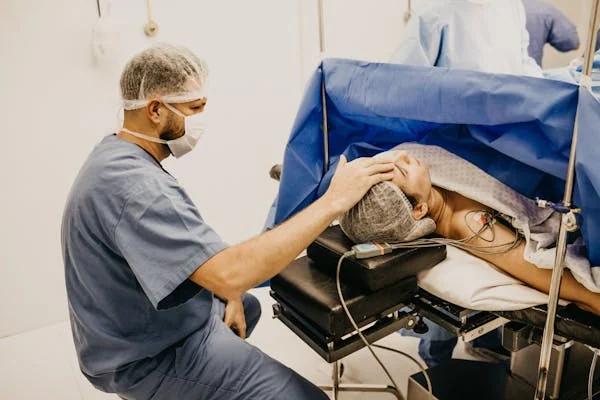
Cover Living Expenses During Medical Recovery
The hospital bill gets all the attention, but it's the rent, the electric bill, the groceries, and the childcare that quietly crush you while you're recovering. Your community wants to help with those too. Let them.
Start a Recovery Expenses CampaignWhat to Budget For During Recovery
Nobody fundraises for the electric bill. But maybe they should. The average American household spends $5,000 to $7,000 per month on rent, utilities, groceries, transportation, insurance, and childcare. When the person who earns that money can't work for two to six months, you're looking at $10,000 to $42,000 in living expenses on top of whatever the hospital charged. That's the number that actually breaks families.
Short-term disability, if you have it, covers maybe 50-60% of your income and usually doesn't kick in for one to two weeks. If you're hourly or self-employed? You likely have no disability coverage at all. And here's what people don't realize: costs actually go up during recovery. You're home all day running the heat or AC. You need rides to follow-up appointments. Somebody has to cook, clean, and handle the kids. Those "small" expenses stack up to thousands per month, fast.
Here's what holds people back: they feel like living expenses aren't "serious enough" to fundraise for. But your donors don't think that way. When someone they love can't work, helping with rent is just as meaningful as paying a hospital bill. Be honest about what you need. "Rent is $1,800, utilities are $400, groceries and childcare are $1,200, and I can't go back to work for three months." That kind of clarity makes people want to help. Start your campaign now and give your community a way to take something off your plate.
How It Works
Create a Campaign
Sign up and be straightforward about what's going on. "I had surgery, I can't work for three months, and here's what my monthly bills look like." Set your goal by multiplying monthly expenses by recovery time. Simple math, honest ask.
Share With Your Network
Text it to family and close friends first. Then share it with coworkers, your church, the neighborhood group. People contribute in seconds from their phone, and they don't need an account.
Use Funds for What You Need
Funds land in your bank in 2-3 business days. Pay rent on the first, cover groceries on Wednesday, handle the electric bill on Friday. The money is yours, ready for any lawful expense your recovery requires.
Why PayIt2 for Recovery Expenses
Beyond Hospital Bills
Insurance might cover the surgery, but it won't pay your rent while you heal. PayIt2 helps cover the costs that keep a household running when someone can't work.
Funds in 2-3 Days
Your landlord doesn't care that you're recovering from surgery. Bills keep coming. Funds hit your bank in 2-3 business days so you can stay current instead of falling behind.
Easy for Donors
One link, that's all. Friends, family, and coworkers click it, contribute in seconds, and they're done. No account to create, no app to download.
Frequently asked questions
Common questions about recovery living expense fundraising
Focus on Healing, Not Bills
Set up your recovery expenses campaign in minutes. No monthly fees, no time limits, no hidden costs. Funds in your bank in 2-3 business days.
Start a Recovery Expenses Campaign